Hoppa till innehåll
Den industriella elmotormarknaden växer i snabb takt och förväntas nå ett värde av 150 miljarder dollar år 2020.
För att förbli konkurrenskraftig i denna bransch är det viktigt att optimera högeffektiv motordesign och tillverkning.
I det här blogginlägget kommer vi att diskutera de senaste trenderna inom industriell elmotorproduktion och hur du kan optimera högeffektiva motorer för ditt företag.
Håll utkik för mer information!

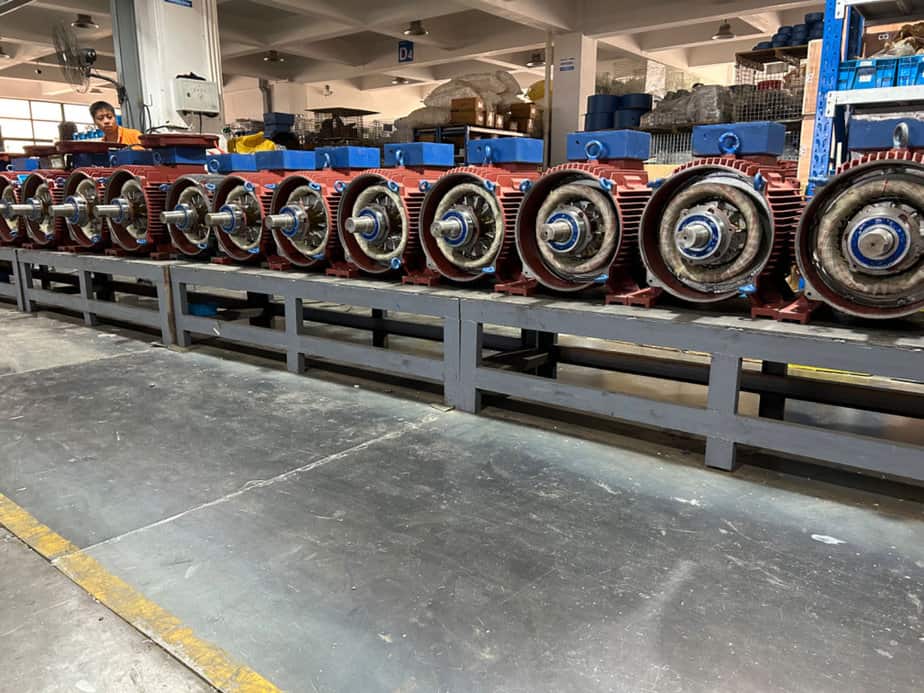
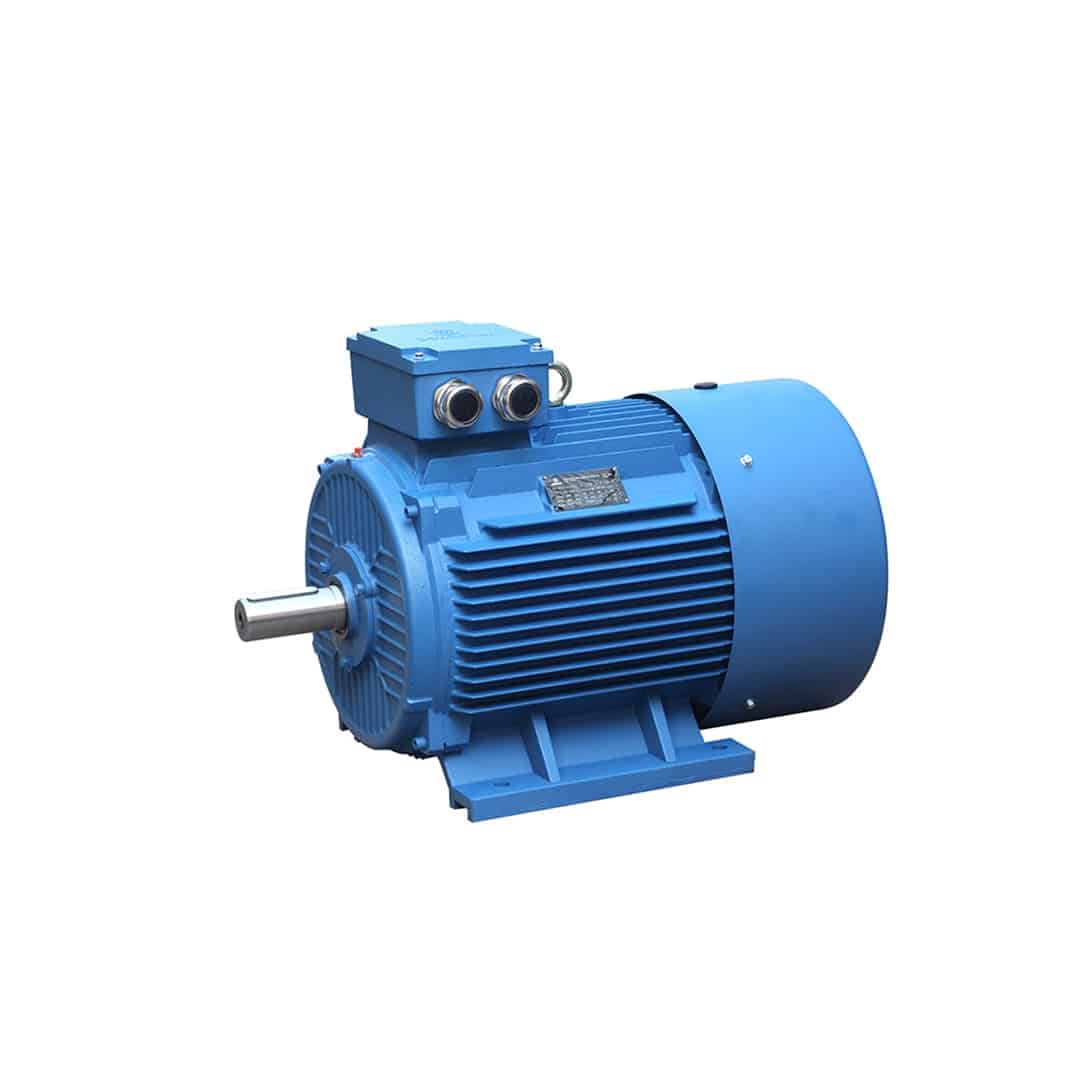
Dongchunmotor är en professionell tillverkare av elmotorer i Kina.
De levererar både enfas- och trefasmotor enligt följande
enfasmotor : Yc, ycl med gjutjärnskropp och ml, min motor med aluminiumkropp
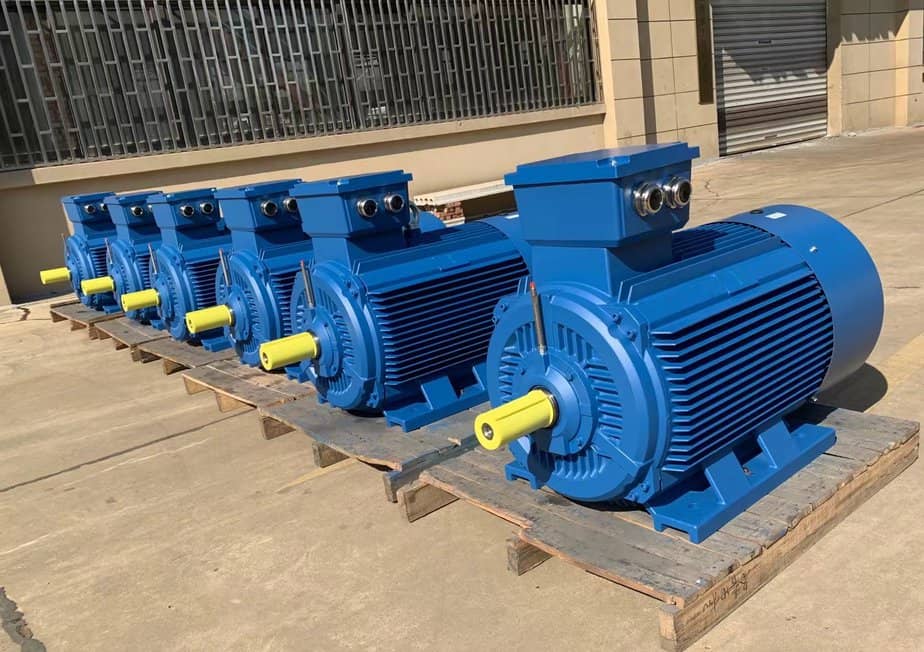
Trefasmotor : IE1, IE2, IE3 -motor för både gjutjärnskroppen och aluminiumkroppen
Bromsmotor: DC Bromsmotor och AC -bromsmotor
Vfd motor : frekvensvariable drivmotorer.
Om du vill göra en professionell beställning, vänligen skicka oss en förfrågan.
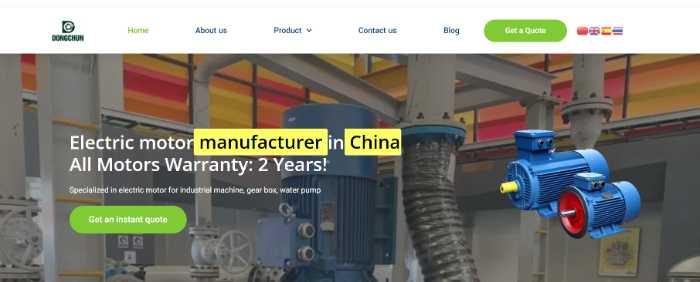
Dongchun Motor har ett brett utbud av elmotorer som används i olika branscher som transport, infrastruktur och konstruktion.
Få ett snabbt svar.
Introduktion
Under de senaste åren, med utvecklingen av kraftelektronik, datorteknik och styrteori, har den globala marknaden för industriella elmotorer vuxit kraftigt.
Med uppkomsten av permanentmagnetmaterial för sällsynta jordartsmetaller och magnetiska kompositer har olika nya, högeffektiva och speciella motorer dykt upp en efter en.
Eftersom det internationella samfundet lägger allt större vikt vid energibesparing, miljöskydd och hållbar utveckling, har produktionen av högeffektiva motorer blivit utvecklingsriktningen för globala industrimotorer.
Inom ramen för den globala energiförbrukningsminskningen har högeffektiva och energisparande policyer införts för att ytterligare främja den accelererade utvecklingen av den globala industriella motortillverkningsindustrin.
Omvandling av bilindustrin mot intelligens och energibesparing

För närvarande är tekniken för vanliga lågspänningselektriska motorer relativt mogen, men det finns fortfarande fler tekniska trösklar inom områdena högspänningselektriska högspänningsmotorer, elmotorer för speciella miljötillämpningar och superhögeffektiva elmotorer.
Den omfattande utvecklingstrenden på den globala motormarknaden manifesteras huvudsakligen på följande punkter:
branschen utvecklas mot intelligens och integration.
Traditionell motortillverkning har insett korsbefruktningen av avancerad elektronisk teknik och intelligent styrteknik.
Framtiden för industriell användning av små och medelstora motorsystem, kontinuerlig utveckling, optimering av intelligent styrteknik, för att uppnå motorsystemstyrning, avkänning, drivning och andra funktioner för integrerad design och tillverkning, är utvecklingstrenden för elmotorindustrin.
Elmotortillverkning till differentiering, specialisering, hög effektivitet, energisparriktning
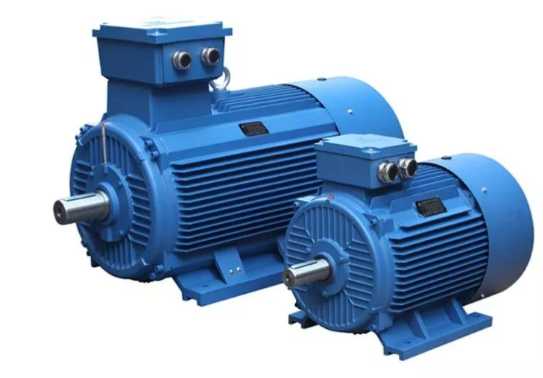
Elmotorprodukter används i stor utsträckning inom olika områden som energi, transport, petroleum, kemisk industri, metallurgi, gruvdrift och konstruktion.
Med fördjupningen av den globala ekonomin och den kontinuerliga förbättringen av nivån på vetenskap och teknik, bryts situationen att samma typ av motor används för olika natur och olika tillfällen samtidigt i det förflutna, och elmotorprodukterna utvecklas gradvis i riktning mot professionalism, differentiering och specialisering.
Under de senaste åren har den globala miljöskyddspolicyn pekat ut en tydlig policyriktning för att förbättra effektiviteten hos elmotorer och deras styrsystem. Därför måste elmotorindustrin påskynda den energibesparande omvandlingen av befintlig produktionsutrustning, främja en högeffektiv grön produktionsprocess, utveckla en ny generation av energibesparande elmotorer, elmotorsystem och styrprodukter, testutrustning, förbättra det tekniska standardsystemet för elmotorer och system och göra ansträngningar för att förbättra kärnkonkurrenskraften för elmotorer och systemprodukter.
Optimerad design och materialval av energieffektiva elmotorer
Energieffektiva elmotorer använder högkvalitativa material och optimerad design för att uppnå högre effektivitet.
For example, the higher the aluminum content in the rotor, the higher the slot filling factor in the stator, and the lower the resistance losses.
Optimized rotor structure and rotor-stator air gap reduce stray load losses.
Improved cooling fan design minimizes wind resistance losses for electric motor cooling, and higher quality and thinner steel stacks are used for rotor and stator cores to greatly reduce magnetization losses.
Optimize the size of the stator and rotor laminations and the quality of the steel used in them

Hysteresis losses and eddy current losses together are called core losses, and about 20% of the total losses are caused by eddy current and core saturation.
The eddy currents generated in the laminations move relative to the changing magnetic field, resulting in significant power losses.
Stacked stator cores reduce eddy current losses and based on iron mass, resistivity, density, thickness, frequency and flux density, eddy current losses can be minimized with more stacks.
Hysteresis losses are generated in the magnetic circuit when the flux is constantly changing.
Most of the load materials used in electric motors are steels used in the stator and rotor cores, and flux density and core losses are minimized by reducing the laminations thickness.
Hysteresis losses can be reduced by annealing a better grade of steel for the laminations to change the grain structure for easier magnetization.
Eddy current losses are reduced by increasing the resistivity of the silicon containing steel, but the silicon content increases die wear during stamping because it increases the hardness of the steel.
Steel crystals damaged during stamping severely reduce the magnetic quality of the affected volume.
Annealing flattens the stack and recrystallizes the crystals damaged during the stamping process, thus extending a thin sheet thickness into the stack.
Stator lamination using dipping bath process

Impregnating the stator strengthens the electrical insulation of the stator winding against chemicals or harsh environmental influences and enhances heat dissipation.
Thermoset plastics including epoxy resins, phenolic resins and polyesters are used to impregnate the stator.
Immersion is the immersion of the stator into the resin for a longer period of time to ensure optimal penetration and protection.
Another method of impregnation is known as vacuum pressure, which uses a tank that is first evacuated and then pressurized to achieve penetration of the stator.
Achieving the extraction of air pockets from the electrical windings improves the thermal conductivity of the windings.
Optimize the design of the stator tank to maximize the volume of insertable copper
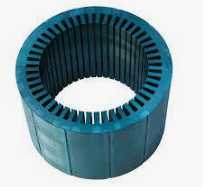
The slot fill rate affects the stator winding mass to some extent.
A low slot fill rate leads to 60% of the total losses, so in order to reduce the total losses, the stator winding mass must be larger, thus reducing the resistance.
Compared to standard efficiency motors, high efficiency electric motors contain more than 20% extra copper and the insulated windings of the stator are placed in slots in the steel sheet.
The cross-sectional area must be large enough to meet the rated power of the electric motor. Generally, induction motors use open or semi-enclosed stator slots.
In a semi-enclosed slot, the slot opening is much smaller than the slot width, making winding more difficult and time-consuming to manufacture than in an open slot.
The number of stator slots must be selected during the design phase, as that number affects weight, cost and operating characteristics.
The advantages of electric more slots are reduced leakage resistance, reduced tooth pulsation losses and improved overload capacity. The disadvantages of electric more stator slots are increased cost, increased weight, increased magnetization current, increased iron losses, poor cooling, increased temperature rise and reduced efficiency.
Rotor die casting using high quality pure aluminum

A custom designed rotor maximizes starting torque, reduces conductor resistance and increases efficiency.
Most induction motor rotors are of squirrel cage design. They are robust, simple and less expensive, but they have a lower starting torque.
Copper rotors improve efficiency, but are both difficult and expensive to manufacture.
Optimal air gap between rotor and stator

The air gap is the radial distance between the rotor and stator of a motor in a standard radial electric motor.
In order to improve the efficiency of the design, the optimum air gap needs to be maintained.
Air gap dimensions relate to the design of the stator, rotor, electric motor housing and bearings.
All of these affect the precise alignment of the stator and rotor shafts.
Use of high performance electromagnetic enameled wire
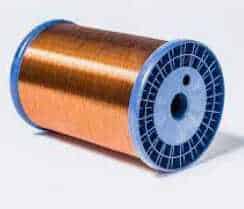
Magnet or enameled wire is an electrolytically refined copper or aluminum wire that has been fully annealed and coated with one or more layers of insulation.
For example, wires with a total of 12 layers of insulation are used. Typical insulation films, which increase with temperature range, are polyethylene, polyurethane, polyester and polyimide up to 250°C.
Thicker rectangular or square magnet wire is wrapped with high temperature polyimide or fiberglass tape, using more copper, and larger conductor bars and conductors increase the cross-sectional area of the stator and rotor windings, which reduces winding resistance and decreases losses due to current, and the high-efficiency electric motor stator windings typically have 20% more copper in them.
The electric motor consists of many parts, each part provides different structural and functional properties, resulting in different functions in the motor system, and each part provides functional advantages and disadvantages that ultimately affect the motor input performance.
By optimizing the performance of each component of the electric motor, the performance of the electric motor is ultimately optimized.
Slutsats

At present, the electric motor manufacturing industry is gradually changing from "big and complete" to "specialization and intensification" to cope with the globalized market competition.
In the future, driven by the low-carbon environmental protection policy, industrial motors will be fully developed towards green energy saving.
Dongchun motor is electric motor manufacturer in China, who is focus on high effiency motor.
Welcome to contact us to get a free quote.