Lewati ke konten
I. Pendahuluan
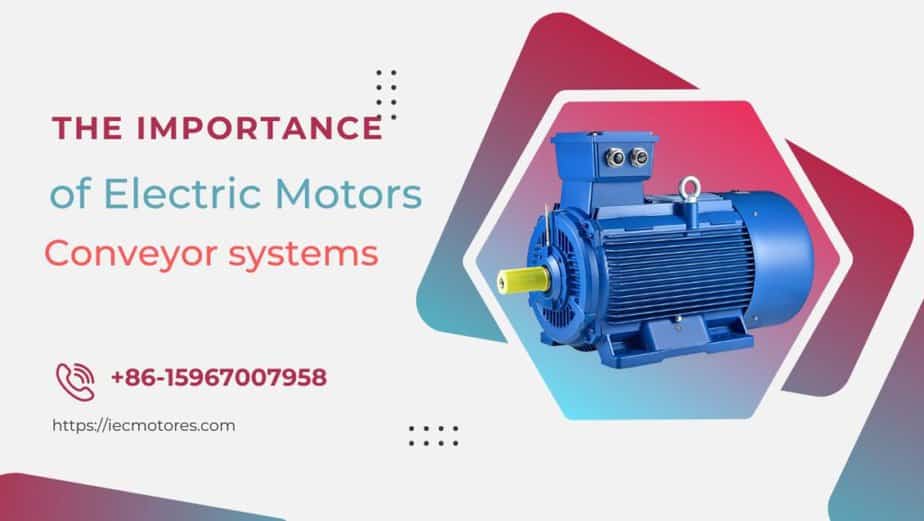
Conveyor systems are a fundamental part of many industries, serving to transport goods and materials across locations in a smooth, efficient, and often automated manner. From warehouses to production lines, from mining operations to airport baggage handling systems, conveyors are the lifelines that keep operations running smoothly. The key to their operation? Electric motors.
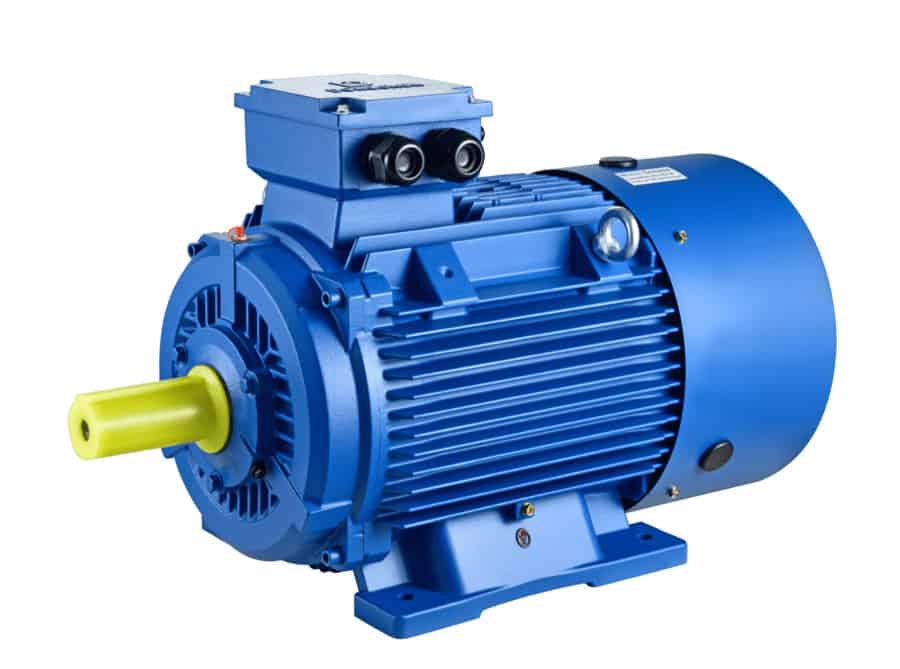
Electric motors serve as the driving force behind conveyor systems, converting electrical energy into mechanical energy to move the conveyor belts or rollers.
They are pivotal in determining the performance, efficiency, and reliability of the entire system. Understanding their function and importance in conveyor systems is crucial for anyone involved in operations relying on such systems.
In this article, we will delve into the world of conveyor systems, focusing on the indispensable role of electric motors.
We'll cover everything from the basic understanding of conveyor systems, the role and impact of electric motors, to choosing the right motor and future trends. Whether you're an engineer, a student, or a professional working with conveyor systems, this guide will provide you with a comprehensive understanding of this critical relationship.
II. Understanding Conveyor Systems
Before we delve into the specifics of the electric motors in conveyor systems, let's take a step back and understand the basic structure and operation of conveyor systems themselves.
1. Basic Components of Conveyor Systems
At the most fundamental level, all conveyor systems comprise a few key components:
- Conveyor Medium: Ini adalah komponen fisik yang mengangkut bahan atau barang. Dalam kebanyakan kasus, ini adalah ban berjalan atau serangkaian roller.
- Sistem Penggerak: Ini adalah komponen yang memberikan tenaga untuk menggerakkan media konveyor. Biasanya terdiri dari motor listrik dan sistem transmisi, seperti roda gigi atau sabuk.
- Struktur Pendukung: Ini termasuk rangka dan penyangga yang menahan media konveyor dan sistem penggerak.
2. Peran Tiap Komponen
Setiap komponen dalam sistem konveyor memainkan peran penting:
- Itu media konveyor memberikan permukaan yang halus dan stabil untuk pergerakan barang.
- Itu sistem penggerak mentransfer daya dari motor ke media konveyor, menyebabkannya bergerak.
- Itu struktur pendukung memberikan stabilitas dan struktur yang diperlukan agar sistem konveyor dapat beroperasi secara efektif.
3. Bagaimana Komponen Bekerja Sama
Dalam sistem konveyor pada umumnya, motor listrik pada sistem penggerak mengubah energi listrik menjadi energi mekanik.
Energi mekanik ini ditransfer ke media konveyor, menyebabkannya bergerak. Barang yang ditempatkan pada media konveyor kemudian diangkut dari satu lokasi ke lokasi lain, seringkali menempuh jarak yang cukup jauh atau dengan kecepatan tinggi.
Memahami dasar-dasar sistem konveyor ini menjadi dasar untuk memahami peran penting motor listrik dalam pengoperasiannya, topik yang akan kita bahas di bagian berikutnya.
III. The Role of Electric Motors in Conveyor Systems
Motor listrik adalah jantung dari sistem konveyor, yang menyediakan tenaga mekanis yang diperlukan untuk menggerakkan media konveyor. Namun peran mereka lebih dari sekadar menggerakkan ban berjalan atau roller. Mari kita lihat lebih dekat bagaimana fungsinya dalam sistem ini.
1. Jenis Motor Listrik yang Digunakan pada Sistem Konveyor
Sistem konveyor dapat memanfaatkan berbagai jenis motor listrik, yang masing-masing memiliki karakteristik tersendiri. Jenis yang umum termasuk motor induksi AC, motor DC, dan motor servo.
- Motor Induksi AC sering digunakan karena daya tahan, kesederhanaan, dan efektivitas biayanya. Mereka sangat cocok untuk sistem yang memerlukan kecepatan konstan.
- Motor DC dapat memberikan rentang kecepatan yang luas dan torsi awal yang tinggi, sehingga berguna untuk aplikasi yang memerlukan variasi kecepatan dan kontrol yang presisi.
- Motor Servo menawarkan presisi luar biasa, menjadikannya ideal untuk sistem konveyor yang memerlukan penentuan posisi akurat, misalnya dalam operasi perakitan.
2. Bagaimana Motor Listrik Menggerakan Sistem Konveyor
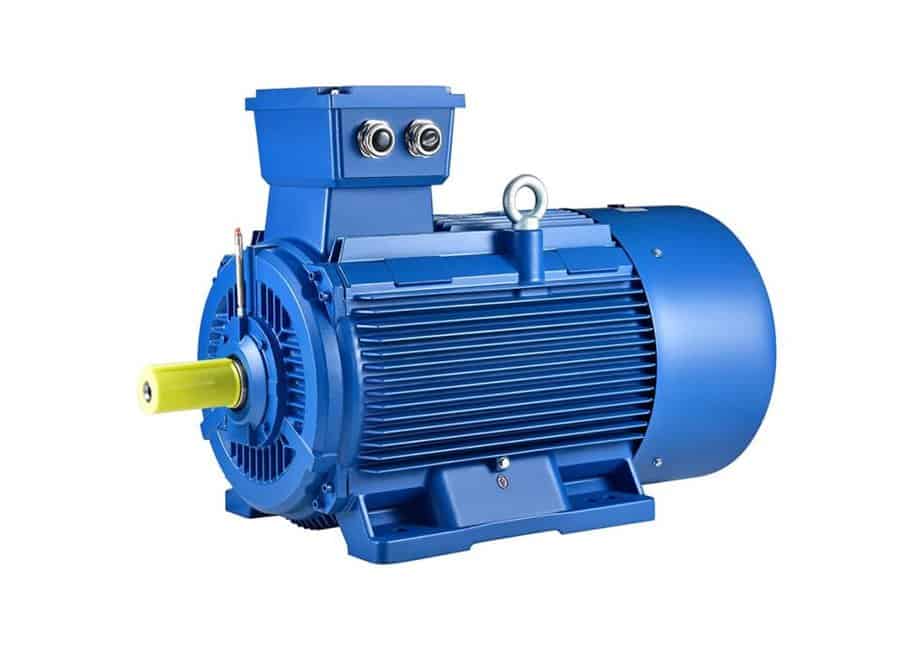
Terlepas dari jenisnya, motor listrik menghasilkan torsi – gaya rotasi. Ketika dihubungkan ke sistem konveyor melalui mekanisme transmisi (seperti roda gigi atau sabuk), torsi ini ditransfer ke media konveyor, menyebabkannya bergerak.
Dalam sistem konveyor sabuk, motor menggerakkan katrol, yang kemudian menggerakkan sabuk. Pada sistem roller conveyor, tenaga motor dapat disalurkan langsung ke roller atau melalui rantai atau belt yang dihubungkan ke poros motor.
3. Dampak Motor Listrik terhadap Pengoperasian Secara Keseluruhan
Kinerja motor listrik berpengaruh langsung terhadap kinerja sistem konveyor. Kecepatan, tenaga, dan efisiensi motor menentukan seberapa cepat, berapa banyak beban, dan seberapa efisien sistem konveyor dapat mengangkut material.
Singkatnya, motor listrik sangat penting dalam sistem konveyor, mendorong pengoperasian dan memengaruhi kinerja dan efisiensi sistem. Oleh karena itu, pemilihan dan pemeliharaannya adalah hal yang terpenting, seperti yang akan kita bahas di bagian berikut.
IV. The Importance of Electric Motors in Conveyor Systems
Dalam skema besar sistem konveyor, motor listrik mungkin tampak seperti komponen kecil, namun pentingnya komponen ini tidak dapat dilebih-lebihkan. Mereka memainkan peran penting dalam mempengaruhi beberapa faktor penting dalam pengoperasian sistem konveyor.
1. Efisiensi Energi
Motor listrik sering kali merupakan salah satu konsumen daya terbesar di lingkungan industri. Dengan demikian, efisiensi motor dapat berdampak signifikan terhadap konsumsi energi keseluruhan sistem konveyor. Motor berefisiensi tinggi dapat mengurangi penggunaan daya, berkontribusi terhadap penghematan biaya dan kelestarian lingkungan.
2. Kinerja dan Produktivitas Sistem
The speed and torque output of the electric motor directly influence the performance of the conveyor system. They determine the speed at which the conveyor belt or rollers move and the amount of load they can handle, affecting the system's overall productivity.
3. Reliability and Lifespan
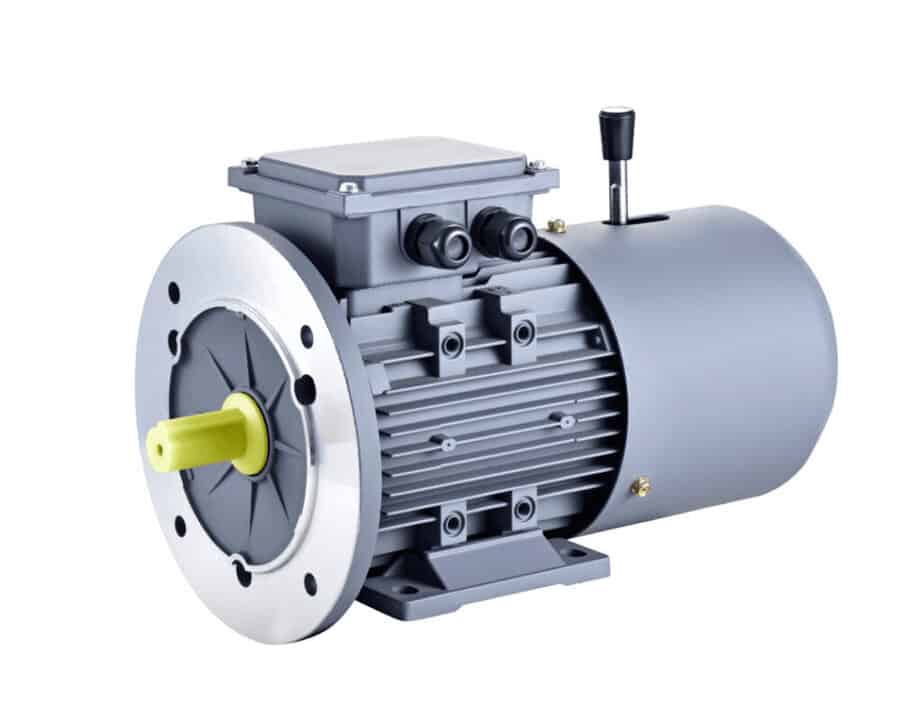
A high-quality, well-maintained electric motor can enhance the reliability of the conveyor system, minimizing downtime and disruptions. Furthermore, the lifespan of the motor can influence the lifecycle cost of the conveyor system, with longer-lasting motors reducing the need for replacements and the associated costs and downtime.
4. Operational Flexibility
Some conveyor systems require varying speeds or precise control over movement for different operational needs. In such cases, electric motors with speed control capabilities (like variable speed drives or servo motors) can offer the necessary flexibility, enabling the conveyor system to adapt to varying operational requirements.
In conclusion, the electric motor is a crucial component of any conveyor system, influencing its energy efficiency, performance, reliability, and operational flexibility. It's crucial to choose the right motor for the application and maintain it properly, as we will discuss in the next section.
V. Choosing the Right Electric Motor for a Conveyor System
The selection of the appropriate electric motor for a conveyor system is a critical decision that can significantly impact the system's performance, efficiency, and reliability. This process involves careful consideration of several key factors:
1. Persyaratan Daya
The power requirements of the conveyor system depend on factors such as the weight of the materials being transported, the speed at which they need to move, and the length and incline of the conveyor. The selected motor must be capable of providing the necessary power to meet these requirements.
2. Operating Speed and Torque
Different conveyor systems may require different operating speeds. For instance, a conveyor system in an assembly line may need to move slowly and precisely, while a system in a distribution center may need to move goods quickly. The motor's speed and torque capabilities should align with these needs.
3. Operating Environment
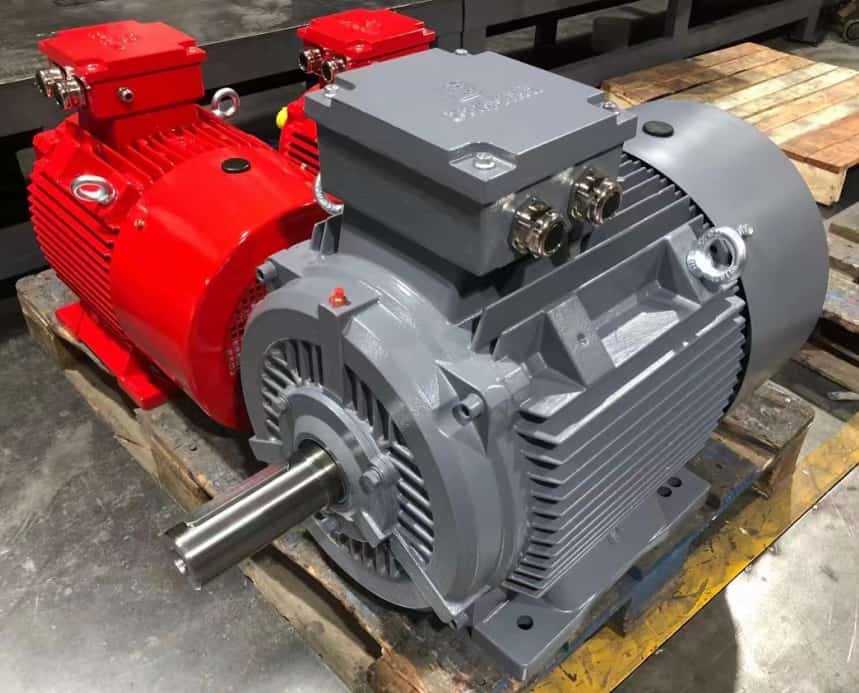
The conditions under which the motor will operate can influence the choice of motor. For example, motors operating in harsh or extreme environments may require special designs or materials to withstand these conditions.
4. Energy Efficiency
As discussed earlier, the efficiency of the motor can significantly impact the energy consumption and operating cost of the conveyor system. High-efficiency motors, while sometimes more expensive upfront, can offer cost savings in the long run through reduced energy consumption.
5. Control Requirements
If the conveyor system requires variable speed operation or precise control, a motor with suitable control capabilities (such as a variable speed drive or a servo motor) should be selected.
6. Common Challenges
Selecting the right motor for a conveyor system can be a complex task, with potential challenges such as reconciling conflicting requirements (e.g., high power vs. high efficiency) or dealing with constraints such as budget or space limitations. However, with careful planning, understanding of the system requirements, and potentially the help of experts, these challenges can be effectively managed.
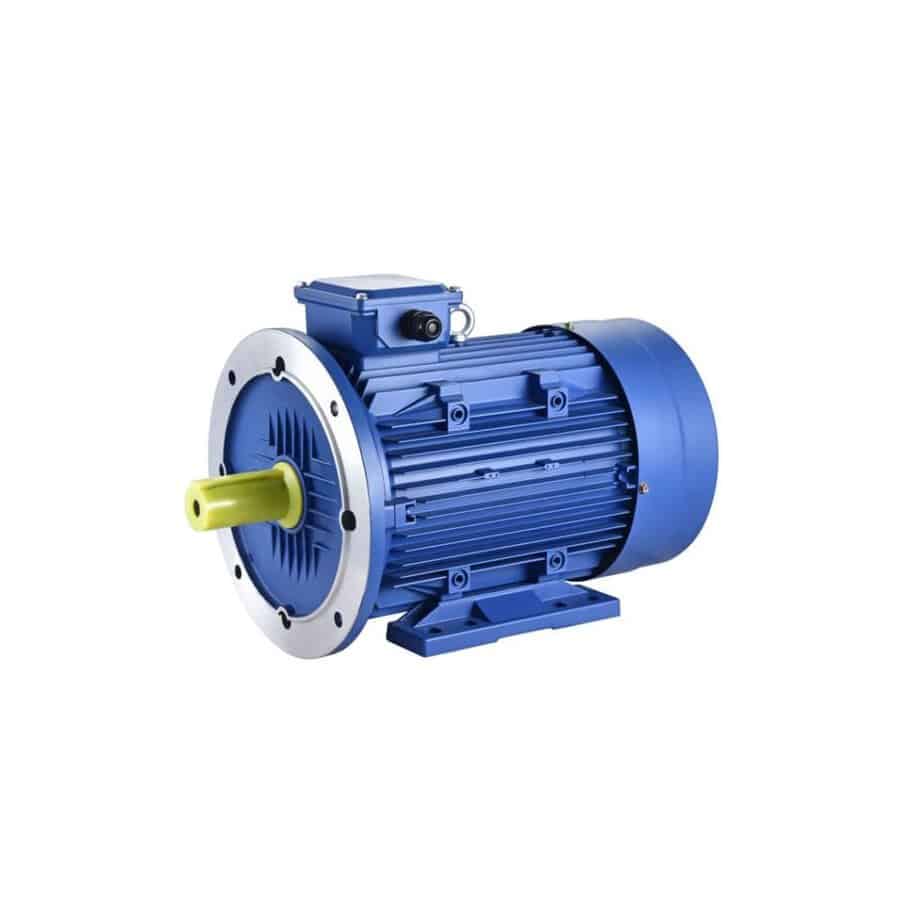
In conclusion, the selection of the right electric motor is a critical step in the design and operation of an efficient, reliable conveyor system. It requires a comprehensive understanding of both the conveyor system's needs and the capabilities of different types of electric motors.
VI. Studi kasus
Analyzing real-world scenarios can provide valuable insights into how the right (or wrong) choice of electric motors can significantly impact the performance, efficiency, and reliability of conveyor systems. Here, we provide a couple of illustrative examples.
1. Case Study: Upgrading to High-Efficiency Motors in a Warehouse Conveyor System
In this case, a large warehouse used numerous conveyor belts to transport goods across its facility. The original motors were old, standard-efficiency models that consumed a significant amount of energy. After analyzing the potential energy savings, the company decided to upgrade to high-efficiency motors.
After the upgrade, the warehouse reported a significant reduction in energy consumption, leading to substantial cost savings in the long term. Furthermore, the new motors also improved the reliability of the conveyor system, reducing downtime and maintenance costs.
2. Case Study: Implementing Variable Speed Drives in a Production Line Conveyor System
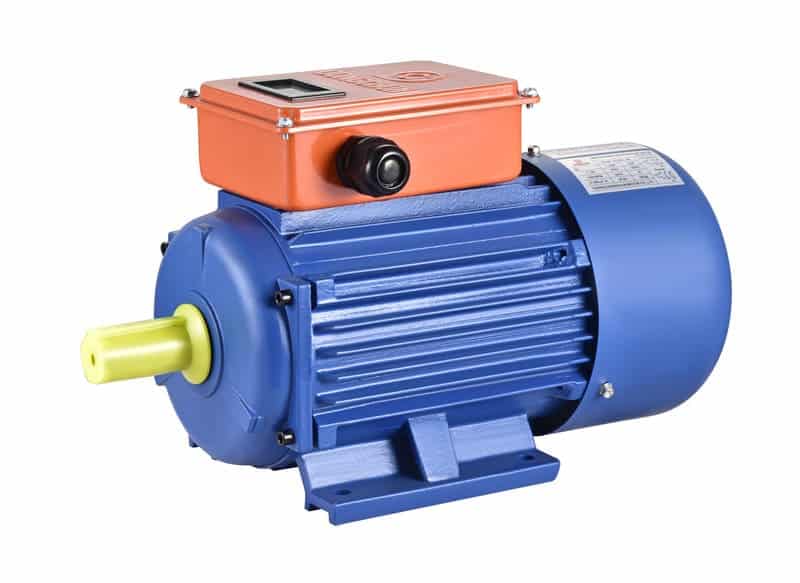
A manufacturing company used a conveyor system in its assembly line. The original system used fixed-speed motors, which didn't allow the company to adjust the conveyor speed according to different assembly needs.
To improve flexibility and efficiency, the company decided to install variable speed drives. This allowed them to precisely control the conveyor speed, optimizing the assembly process for different products. The change resulted in improved productivity and reduced waste, contributing to higher overall operational efficiency.
These case studies highlight how thoughtful selection and upgrading of electric motors can significantly enhance a conveyor system's performance, efficiency, and reliability.
VII. The Future of Electric Motors in Conveyor Systems
The realm of conveyor systems and electric motors is not static; it is continually influenced by advances in technology and shifts in industrial practices. As we look toward the future, several emerging trends are worth noting.
1. Smart Motors
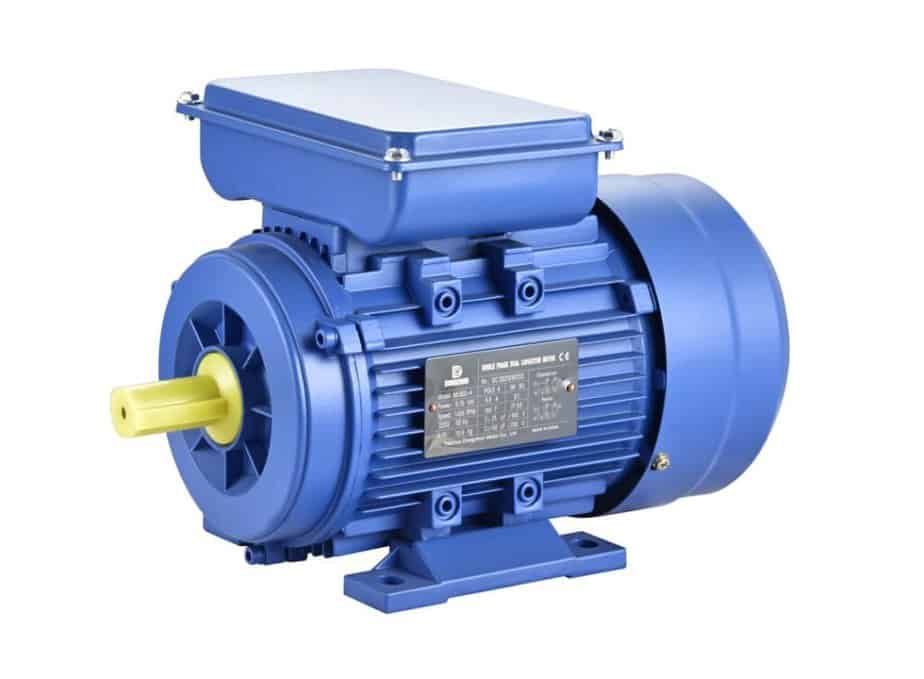
The rise of the Internet of Things (IoT) and Industry 4.0 is ushering in a new generation of smart motors. These motors are equipped with sensors and connectivity options, enabling real-time monitoring and control of their performance. In conveyor systems, smart motors could provide valuable data for predictive maintenance, efficiency optimization, and system troubleshooting.
2. Energy-Efficient Designs
As energy efficiency continues to be a major focus in all sectors of industry, we can expect further advances in energy-efficient motor designs. This could include more efficient materials, innovative design approaches, or advanced control systems that optimize motor performance for energy savings.
3. Integration with Advanced Control Systems
Electric motors in conveyor systems are likely to become more deeply integrated with advanced control systems. This could involve more sophisticated variable speed drives, integration with automation systems, or use of artificial intelligence (AI) for predictive control and optimization.
4. Potential Challenges and Opportunities
While these trends offer exciting opportunities for improved performance and efficiency, they may also present challenges. For instance, implementing smart motors or advanced control systems may require significant investment and upskilling of staff. However, the potential benefits – in terms of improved efficiency, reliability, and adaptability of conveyor systems – are likely to make these challenges worthwhile.
Kesimpulannya, masa depan tampak menjanjikan bagi motor listrik dalam sistem konveyor, dengan banyak peluang untuk meningkatkan kinerja, efisiensi, dan kemampuan beradaptasi.
VIII. Kesimpulan
Motor listrik memainkan peran penting dalam pengoperasian sistem konveyor, mengubah energi listrik menjadi energi mekanik yang diperlukan untuk menggerakkan sistem ini. Kepentingannya terletak pada pengaruh langsungnya terhadap efisiensi energi, kinerja sistem, keandalan, dan fleksibilitas operasional.
Selecting the right electric motor for a conveyor system is a decision that calls for careful consideration of various factors such as power requirements, operating speed, operating environment, and control requirements. Choosing wisely can significantly enhance the efficiency and effectiveness of a conveyor system, as illustrated by our case studies.
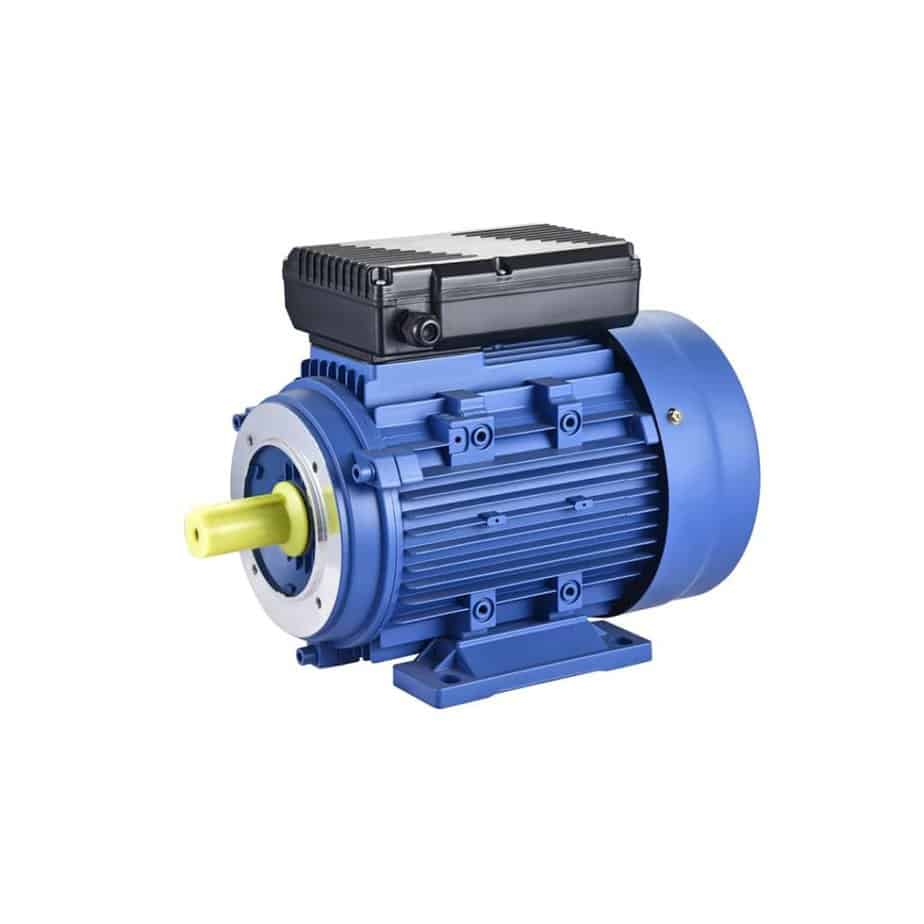
Looking forward, the future holds exciting prospects. Innovations like smart motors, energy-efficient designs, and advanced control systems promise to push the boundaries of what is possible with conveyor systems. As technology continues to evolve, so too will the capabilities and potential of electric motors within these critical industrial systems.
By understanding the role and importance of electric motors in conveyor systems, industry professionals can make informed decisions that improve their operations, reduce their environmental footprint, and position their organizations for success in a rapidly changing industrial landscape.
Get more information from Top professional electric motor manufacturer, please contact with Motor dongchun Cina
Anda juga dapat menemukan informasi yang relevan dengan membaca artikel berikut:
- Mengungkap Jenis Motor Listrik untuk Pompa Hidrolik
- Bagaimana Cara Menggunakan Motor Listrik Kami di Manufaktur?
- Memahami Peran Motor Listrik Pada Pompa Industri